News: Voted Best Lymph Drainage Specialist in Maine 2026!
Oncology Rehabilitation: Comprehensive Physical Therapy for Cancer Patients
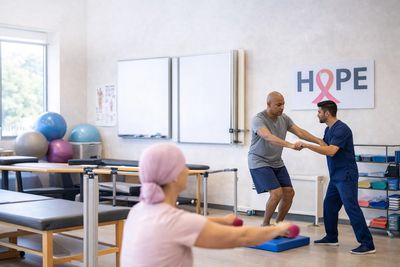
A cancer diagnosis and its treatments can affect the body in numerous ways—impacting strength, movement, energy, and overall quality of life. In this context, oncology physical therapy plays an essential role in assisting cancer patients to feel stronger, move more comfortably, and maintain independence throughout all stages of cancer care, including vital cancer rehabilitation therapy focused on lymphatic wellness.
Every oncology patient’s journey is unique. Physical therapists collaborate closely with the patient and healthcare team to develop a personalized treatment plan tailored to the diagnosis, treatment stage, and individual goals. These programs are designed to be safe, adaptable, and responsive to how the patient is feeling on a day-to-day basis.
Physical therapy supports oncology patients before, during, and after treatment. Care is specifically tailored to each stage of the cancer journey to optimize recovery, function, and quality of life, emphasizing the importance of cancer rehabilitation therapy and promoting overall lymphatic wellness.

Pre-Operative Therapy
Post-Operative Therapy
Post-Operative Therapy
Before surgery, physical therapy plays a crucial role in preparing the body and laying a strong foundation for recovery, especially in the context of cancer rehabilitation therapy. Goals of Pre-Operative Care include: obtaining baseline measurements of strength, range of motion (ROM), posture, balance, limb measurements, and functional ab
Before surgery, physical therapy plays a crucial role in preparing the body and laying a strong foundation for recovery, especially in the context of cancer rehabilitation therapy. Goals of Pre-Operative Care include: obtaining baseline measurements of strength, range of motion (ROM), posture, balance, limb measurements, and functional abilities; providing education on what to expect after surgery and how oncology physical therapy supports recovery; teaching post-operative range of motion exercises and gentle stretches to promote safe, early movement; discussing activity guidelines, positioning, and precautions; and empowering patients with knowledge to reduce fear and improve confidence going into surgery. Establishing baselines is essential for accurate tracking of progress after surgery, particularly in the realm of lymphatic wellness.
Post-Operative Therapy
Post-Operative Therapy
Post-Operative Therapy
After surgery, physical therapy plays a crucial role in cancer rehabilitation therapy by focusing on restoring movement, reducing complications, and supporting healing. Post-operative emphasis includes: assessing range of motion (ROM) and functional mobility, addressing pain, stiffness, and movement limitations, and monitoring for lymphed
After surgery, physical therapy plays a crucial role in cancer rehabilitation therapy by focusing on restoring movement, reducing complications, and supporting healing. Post-operative emphasis includes: assessing range of motion (ROM) and functional mobility, addressing pain, stiffness, and movement limitations, and monitoring for lymphedema, swelling, or fluid changes. Additionally, evaluating for cording (axillary web syndrome) and tissue restrictions is essential. Screening for signs of infection or surgical complications is also a priority. Oncology physical therapy guides patients through safe, progressive exercises designed to restore mobility and function. Early intervention in this process is vital to prevent long-term restrictions and enhance surgical outcomes, contributing to overall lymphatic wellness.
Therapy During Active Cancer Treatment
Therapy Following Completion of Treatment
Therapy Following Completion of Treatment
Physical therapy during chemotherapy, radiation, or immunotherapy plays a crucial role in cancer rehabilitation therapy, helping patients manage side effects while maintaining their strength and mobility. Key areas of oncology physical therapy include: Managing cancer-related fatigue through safe, individualized activity Addressing pain
Physical therapy during chemotherapy, radiation, or immunotherapy plays a crucial role in cancer rehabilitation therapy, helping patients manage side effects while maintaining their strength and mobility. Key areas of oncology physical therapy include: Managing cancer-related fatigue through safe, individualized activity Addressing pain related to treatment, positioning, or soft tissue restrictions Maintaining or improving strength and endurance Monitoring and evaluating for lymphedema, swelling, or fluid changes to ensure lymphatic wellness Managing radiation-related complications, such as skin tightness, fibrosis, or limited mobility Providing strategies to improve posture, breathing, and functional movement Supporting overall quality of life and independence during treatment. Physical therapy programs are tailored to how patients are feeling and may change weekly based on their treatment response.
Therapy Following Completion of Treatment
Therapy Following Completion of Treatment
Therapy Following Completion of Treatment
After cancer treatment ends, oncology physical therapy focuses on long-term recovery and the return to meaningful activities as part of cancer rehabilitation therapy. Post-Treatment Goals Include: Assessing the need for continued physical therapy, Restoring prior levels of function in motion, strength, and endurance, Addressing persisten
After cancer treatment ends, oncology physical therapy focuses on long-term recovery and the return to meaningful activities as part of cancer rehabilitation therapy. Post-Treatment Goals Include: Assessing the need for continued physical therapy, Restoring prior levels of function in motion, strength, and endurance, Addressing persistent pain, stiffness, or movement limitations, Assisting with activity modifications, work-related demands, and recreational goals, Reducing the risk of long-term complications and recurrence of symptoms, Supporting long-term wellness and survivorship, particularly in relation to lymphatic wellness. The goal is to help patients return to daily life with confidence, comfort, and independence.
A Partner in Your Cancer Journey
Physical therapy is a supportive tool that empowers oncology patients to move better, feel stronger, and live more fully at every stage of care. Through our cancer rehabilitation therapy, we aim to help you regain control of your body, improve function, and enhance your overall quality of life, while also focusing on lymphatic wellness through oncology physical therapy.
